
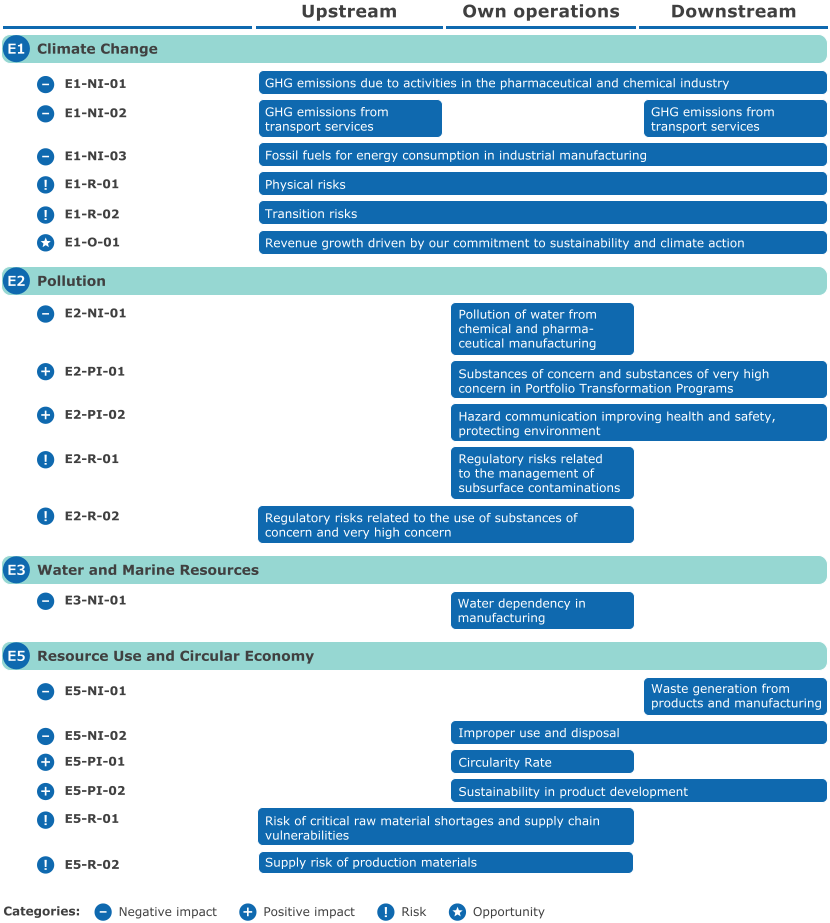
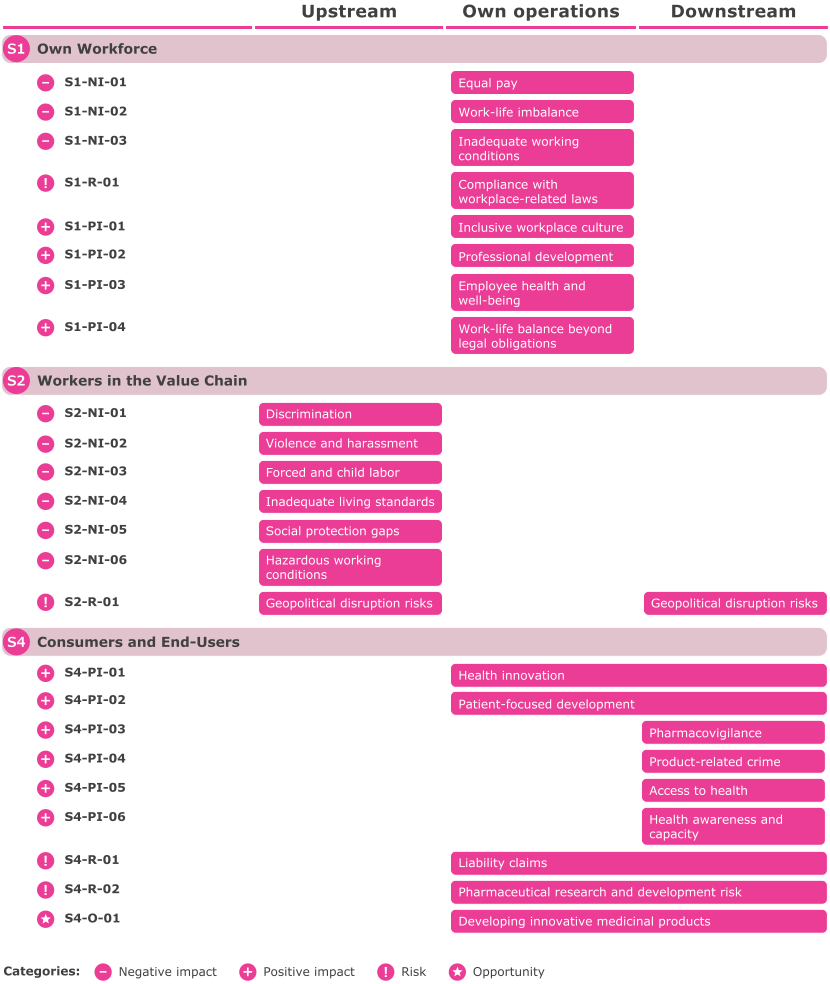
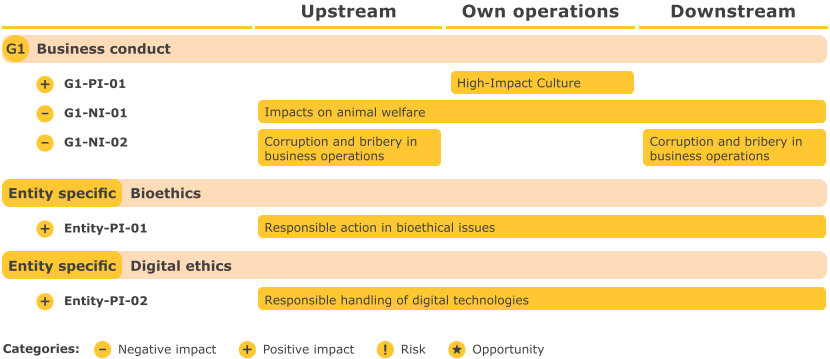
The following table provides an overview of our material IROs identified as part of the materiality analysis. These will be described in detail in the respective topic sections. We describe the methodology of our double materiality analysis under Description of the process to identify and assess material impacts, risks and opportunities (IRO-1).
| IRO identifier | Type of IRO | Sustainability matter | Reference chapter | |||
|
E1-NI-01 |
Actual negative impact |
Climate change mitigation |
||||
|
E1-NI-02 |
Actual negative impact |
Climate change mitigation |
||||
|
E1-NI-03 |
Actual negative impact |
Energy |
||||
|
E1-R-01 |
Risk |
Climate change adaptation |
||||
|
E1-R-02 |
Risk |
Climate change mitigation |
||||
|
E1-O-01 |
Opportunity |
Climate change adaptation; climate change mitigation |
||||
|
E2-NI-01 |
Actual negative impact |
Pollution of water |
||||
|
E2-PI-01 |
Potential positive impact |
Substances of concern; Substances of very high concern |
||||
|
E2-PI-02 |
Potential positive impact |
Substances of concern; Substances of very high concern |
||||
|
E2-R-01 |
Risk |
Pollution of soil |
||||
|
E2-R-02 |
Risk |
Substances of concern; Substances of very high concern |
||||
|
E3-NI-01 |
Actual/potential negative impact |
Water withdrawal |
||||
|
E5-NI-01 |
Actual negative impact |
Resource outflows related to products and services; Waste |
||||
|
E5-NI-02 |
Actual/potential negative impact |
Waste |
||||
|
E5-PI-01 |
Actual positive impact |
Waste |
||||
|
E5-PI-02 |
Actual positive impact |
Resource outflows related to products and services |
||||
|
E5-R-01 |
Risk |
Resource inflows, including resource use |
||||
|
E5-R-02 |
Risk |
Resource inflows, including resource use |
||||
|
S1-NI-01 |
Potential negative impact |
Equal treatment and opportunities for all: Gender equality and equal pay for work of equal value |
||||
|
S1-NI-02 |
Potential negative impact |
Working conditions: Work-life balance |
||||
|
S1-NI-03 |
Potential negative impact |
Working conditions: Secure employment; Working time; Adequate wages; Collective bargaining, including rate of workers covered by collective agreements |
||||
|
S1-PI-01 |
Actual positive impact |
Equal treatment and opportunities for all: Diversity |
||||
|
S1-PI-02 |
Actual positive impact |
Equal treatment and opportunities for all: Training and skills development |
||||
|
S1-PI-03 |
Actual positive impact |
Working conditions: Health and safety |
||||
|
S1-PI-04 |
Actual positive impact |
Equal treatment and opportunities for all: Work-life balance |
||||
|
S1-R-01 |
Risk |
Working conditions: Health and Safety, Collective bargaining, Working time; Equal treatment and opportunities for all: Diversity |
||||
|
S2-NI-01 |
Actual negative impact |
Equal treatment and opportunities for all: Diversity; Employment and inclusion of persons with disabilities |
||||
|
S2-NI-02 |
Actual negative impact |
Equal treatment and opportunities for all: Measures against violence and harassment in the workplace |
||||
|
S2-NI-03 |
Potential negative impact |
Other work-related rights: Child labor; Forced labor |
||||
|
S2-NI-04 |
Potential negative impact |
Other work-related rights: Adequate housing; Water and sanitation; Privacy |
||||
|
S2-NI-05 |
Actual negative impact |
Working conditions: Secure employment; Working time; Adequate housing |
||||
|
S2-NI-06 |
Actual negative impact |
Working conditions: Health and safety |
||||
|
S2-R-01 |
Risk |
Working conditions: Health and safety |
||||
|
S4-PI-01 |
Actual positive impact |
Personal safety of consumers and/or end-users: Health and safety |
||||
|
S4-PI-02 |
Potential positive impact |
Personal safety of consumers and/or end-users: Health and safety |
||||
|
S4-PI-03 |
Potential positive impact |
Personal safety of consumers and/or end-users: Health and safety |
||||
|
S4-PI-04 |
Potential positive impact |
Personal safety of consumers and/or end-users: Health and safety |
||||
|
S4-PI-05 |
Actual positive impact |
Social inclusion of consumers and/or end-users: Access to products and services |
||||
|
S4-PI-06 |
Actual positive impact |
Information-related impacts for consumers and/or end-users: Access to (quality) information |
||||
|
S4-R-01 |
Risk |
Personal safety of consumers and/or end-users: Health and safety |
||||
|
S4-R-02 |
Risk |
Personal safety of consumers and/or end-users: Health and safety |
||||
|
S4-O-01 |
Opportunity |
Personal safety of consumers and/or end-users: Health and safety |
||||
|
G1-NI-01 |
Actual negative impact |
Animal welfare |
||||
|
G1-NI-02 |
Actual negative impact |
Corruption and bribery |
||||
|
G1-PI-01 |
Potential positive impact |
Corporate culture |
||||
|
Entity-PI-01 |
Potential positive impact |
Bioethics |
||||
|
Entity-PI-02 |
Actual positive impact |
Digital ethics |
We assessed the identified material risks and opportunities for their potential impacts on our results of operations, financial positions, net assets, and liquidity. Beyond the provisions for environmental protection reported under E2, provisions for follow-up costs are recognized following the discontinuation of a drug candidate. Details can be found under S4. For the next reporting period, we do not anticipate any significant changes regarding environmental protection provisions. Furthermore, at this point in time, additional financial impacts from risks related to the potential future discontinuation of development projects in the Healthcare business sector cannot be estimated.
In the reporting period, we monitored the assessment of our IROs. In this context, the standard E4 Biodiversity and ecosystems was classified as not material, which is why this report provides no details about it. The same applies to the sub-topic Employment and inclusion of persons with disabilities in the S1 standard. At the same time, we have identified new material topics. This includes the sustainability matter of corruption and bribery in the G1 standard and the entity-specific topics of bioethics and digital ethics.
Overview of our material impacts, risks, and opportunities
Due to our robust business model with three business sectors operating in different markets and our clear positioning as a science and technology company, we are well positioned even in economically difficult times. In 2025, we updated our climate resilience analysis to include a middle‑of‑the‑road (SSP2‑RCP4.5) scenario, integrated the scenario results into risk reporting and progressed toward site-level collection of climate‑adaptation measures. For details see E1.